

Knee pain is a common challenge that can disrupt our daily lives and limit our activities. However, pinpointing what worsens this discomfort isn’t always straightforward. In this article, we’ll explore exactly what makes knee pain worse, including activities and contributing lifestyle factors.
From high-impact exercises to simple posture mistakes, we’ll uncover the everyday habits that may be aggravating your knee pain. By understanding these triggers, you can take proactive steps to manage your knee health and minimize discomfort. Let’s dive in and uncover the hidden factors behind aggravated knee pain, empowering you to take control of your well-being and enjoy a more comfortable, active lifestyle.
Top Causes of Knee Pain
Knee pain can stem from various sources, each with its own set of symptoms and treatment approaches. Here are some of the most common causes:
- Osteoarthritis: Osteoarthritis is a degenerative joint disease characterized by the breakdown of cartilage in the knee joint. This can lead to pain, stiffness, and swelling, particularly during movement.
- Ligament Injuries: Injuries to the ligaments, such as the ACL (anterior cruciate ligament) or MCL (medial collateral ligament), can occur due to sudden twists or impacts. These injuries often result in pain, instability, and swelling in the knee.
- Meniscus Tears: The meniscus is a cartilage that acts as a cushion between the bones of the knee joint. Tears in the meniscus can occur from sudden movements or degenerative changes, causing pain, swelling, and limited mobility.
- Tendonitis: Tendonitis involves inflammation of the tendons surrounding the knee joint, often due to overuse or repetitive movements. This can result in pain, tenderness, and stiffness around the knee.
- Bursitis: Bursitis is inflammation of the bursae, small fluid-filled sacs that cushion the knee joint. It can cause pain, swelling, and tenderness, particularly with movement or pressure on the knee.
- Patellofemoral Pain Syndrome: Also known as runner’s knee, this condition involves pain around the kneecap (patella), often exacerbated by activities such as running, squatting, or climbing stairs.
Knowing the underlying cause of knee pain is essential for proper diagnosis and treatment. If you’re experiencing persistent knee pain, it’s important to consult with a healthcare professional for an accurate assessment and personalized treatment plan.
Impact of Specific Activities on Knee Pain
Understanding the impact of specific activities on knee pain is crucial for managing discomfort and preventing further injury. By recognizing which activities exacerbate knee pain, individuals can make informed choices to modify their behavior and reduce strain on the knees.
The following are specific activities that make knee pain worse.
High-Impact Activities
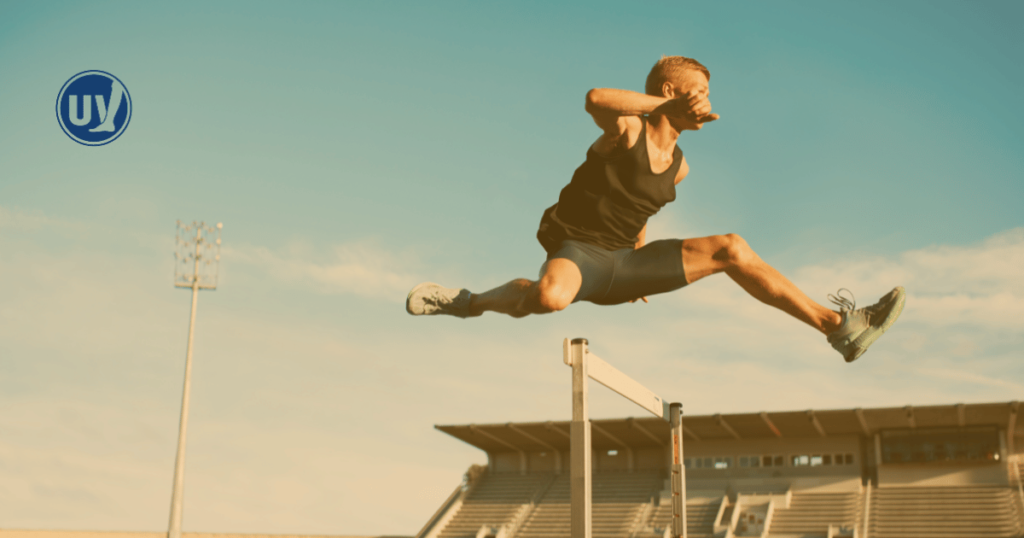
High-impact activities like running, jumping, and vigorous sports can exacerbate knee pain by subjecting the knees to repetitive stress and impact. The constant pounding and sudden movements can strain the knee joints, leading to inflammation, discomfort, and increased risk of injury. Over time, this can contribute to conditions such as osteoarthritis, ligament injuries, and tendonitis, compromising knee health and mobility.
Prolonged Sitting or Standing
Prolonged sitting or standing can worsen knee pain by placing continuous pressure on the knee joints, leading to stiffness and discomfort. Poor posture during prolonged periods of sitting or standing can further exacerbate knee pain by misaligning the joints and increasing strain. This can result in muscle fatigue, decreased circulation, and heightened sensitivity in the knees, contributing to overall discomfort and reduced mobility.
Strenuous Workouts Without Proper Warm-Up
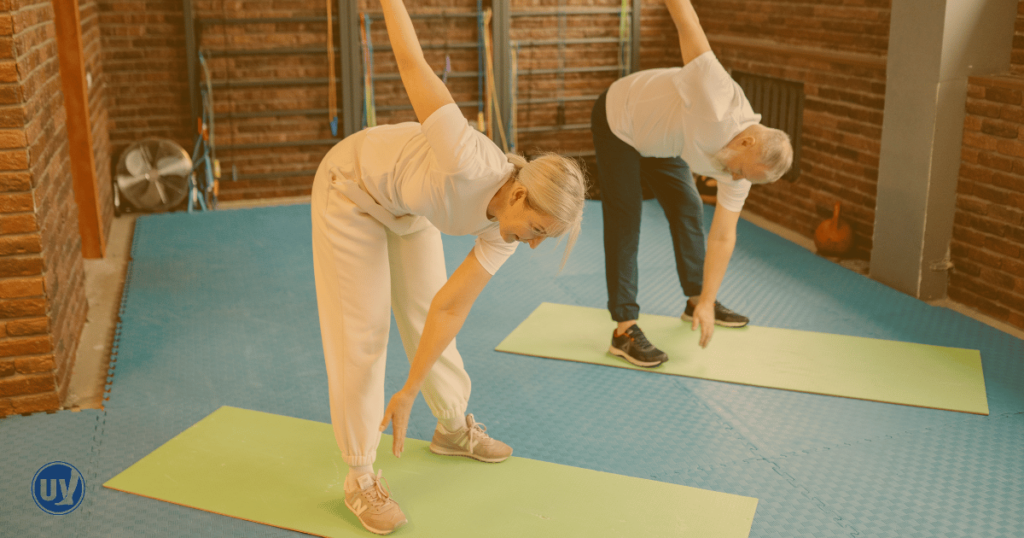
Engaging in strenuous workouts without a proper warm-up can exacerbate knee pain by subjecting the joints to sudden, intense stress. Skipping warm-up exercises deprives the muscles and ligaments surrounding the knee of adequate preparation, increasing the risk of strains, sprains, and other injuries. Without proper warm-up, the muscles may be less flexible and more prone to overextension or tears, leading to heightened discomfort and impaired mobility.
Lifestyle Factors That Aggravate Knee Pain
Understanding lifestyle factors that exacerbate knee pain is crucial for effectively managing discomfort and preventing further injury. By identifying and addressing these factors, individuals can make necessary adjustments to their habits and routines, promoting better knee health, and minimizing discomfort in daily life.
Excess Body Weight
Excess body weight exacerbates knee pain by increasing pressure on the knee joints, leading to strain and discomfort. The additional weight places undue stress on the knees during movement, contributing to conditions like osteoarthritis. Managing weight through a balanced diet and regular exercise can reduce knee pain and improve overall joint health.
Poor Footwear Choices
Poor footwear choices can worsen knee pain by providing inadequate support and alignment for the feet and ankles, leading to improper biomechanics and increased strain on the knees. Ill-fitting or unsupportive shoes can contribute to poor posture and gait, exacerbating knee discomfort. Choosing supportive footwear with proper cushioning and stability can alleviate knee pain and improve overall comfort and mobility.
Overuse and Repetitive Movements
Overuse and repetitive movements can aggravate knee pain by placing excessive stress on the knee joints, leading to inflammation and overuse injuries. Activities such as repetitive kneeling, stair climbing, or bending can strain the knees, resulting in discomfort and reduced mobility. Implementing proper technique, taking breaks, and incorporating varied movements can help prevent overuse injuries and alleviate knee pain.
How to Treat Knee Pain
Genicular Artery Embolization (GAE) offers a non-invasive approach to treating knee pain. By blocking small arteries supplying blood to the knee joint, GAE reduces inflammation and alleviates pain without surgery. This minimally invasive procedure typically involves inserting a catheter into the affected area under imaging guidance.
GAE has shown promising results in relieving knee pain caused by osteoarthritis and other conditions, offering patients a viable alternative to traditional surgical interventions. With its shorter recovery times and reduced risk of complications, GAE presents a valuable option for individuals seeking relief from knee discomfort.
Is GAE the right solution for your osteoarthritis? At United Knee & Vascular Centers, your well-being is at the heart of everything we do. Our team of nationally recognized, board-certified doctors and passionate healthcare providers is dedicated to helping you overcome knee pain and reclaim your quality of life.
Schedule a consultation with a team dedicated to delivering long-lasting, satisfactory results that empower you to live a life free from the limitations of knee pain.
Frequently Asked Questions
Activities that aggravate knee pain include high-impact exercises like running and jumping, prolonged sitting or standing, strenuous workouts without proper warm-up, and engaging in overuse or repetitive movements such as kneeling or stair climbing. Poor posture, excess body weight, and wearing unsupportive footwear can also worsen knee pain.
With bad knees, it’s advisable to avoid high-impact activities like running or jumping, as well as prolonged sitting or standing. Strenuous workouts without proper warm-up, overuse or repetitive movements, and activities that exacerbate knee pain should also be avoided. Opt for low-impact exercises, gentle stretches, and activities that minimize strain on the knees to manage discomfort effectively.
The best exercises for bad knees include low-impact activities like swimming, cycling, and elliptical training, which strengthen muscles without stressing the knees. Gentle stretches and exercises to improve flexibility are also beneficial. Conversely, high-impact exercises like running or jumping should be avoided, as well as activities that involve deep knee bends or heavy lifting, which can exacerbate knee pain and strain.